

1.0 Introduction: The Urban Divergence of India’s Tech Capitals
Bengaluru and Hyderabad stand as twin pillars of India’s technology sector, magnets for talent, innovation, and investment. While both cities have risen to prominence, their developmental trajectories reveal a stark contrast. This case study contrasts two divergent philosophies of urban development: Hyderabad’s proactive, anticipatory planning versus Bengaluru’s reactive, organic growth. This divergence in planning and infrastructure has created vastly different daily realities for the millions who live and work within them. This analysis explores the direct and powerful link between a city’s physical layout—its roads, public transit, and commercial zones—and the economic productivity and human well-being of its population.
We will examine how Hyderabad’s planned approach to infrastructure has created a more efficient and livable environment, contrasting it with the often-congested reality of Bengaluru. To truly understand the impact of these divergent paths, let’s step into the shoes of a tech worker in each city on a typical workday.
2.0 The Daily Grind: A Tale of Two Tech Workers
The daily commute serves as a microcosm of a city’s functional efficiency and its impact on human capital. For tech workers in Bengaluru and Hyderabad, this daily ritual could not be more different, offering a clear window into the consequences of urban design.

2.1 Scenario 1: The Bengaluru Bottleneck
Imagine a software developer living in a residential neighbourhood in Bengaluru, just 10 kilometres from her office in a major tech park. Her day begins with a sense of resignation as she prepares for the journey ahead. The short distance is deceptive; on most days, this 10km trip will take more than one hour to complete. The journey is a crawl through gridlocked streets, a stressful and frustrating experience that drains her energy and morale. By the time she arrives at her desk, she has already lost valuable time and mental focus. This daily friction is a textbook example of the socio-economic cost of congestion, where lost time and heightened stress directly erode human capital before the workday begins.
2.2 Scenario 2: The Hyderabad Flow
Now, consider her counterpart in Hyderabad, who also lives 10 kilometres from his office in the Gachibowli commercial hub. His commute is a study in contrast. He has options: he can drive onto the expansive, 158-kilometre Outer Ring Road (ORR), which is designed to bypass local congestion. Alternatively, he can walk to a nearby station and take the city’s modern Metro Rail network, a reliable and time-efficient mode of public transport. His journey is predictable, smooth, and significantly less stressful. He arrives at work feeling prepared and positive, with a commute that supports, rather than detracts from, a sustainable work-life balance.
These contrasting daily experiences are not accidental; they are the direct result of deliberate, long-term urban planning strategies.
3.0 Deconstructing the Difference: An Urban Planning Analysis
The stories of our two tech workers are tangible outcomes of distinct urban planning philosophies. Let’s analyze the underlying infrastructural and policy decisions that shape these realities.
3.1 The Challenge of Congestion in Bengaluru
Bengaluru’s traffic issues are more than just an inconvenience; they represent a significant economic challenge. The city’s chronic congestion directly leads to:
- Productivity Loss: Hours spent in traffic are hours not spent on productive work, innovation, or rest.
- Higher Operating Costs: The logistical snarls of chronic congestion increase operational expenses for businesses. Furthermore, to attract and retain talent in a city with a lower quality of life, companies are often compelled to offer higher compensation, directly impacting their balance sheets.
- Employee Frustration: A stressed and tired workforce is less engaged and less effective.
3.2 Hyderabad’s Proactive Infrastructure Strategy
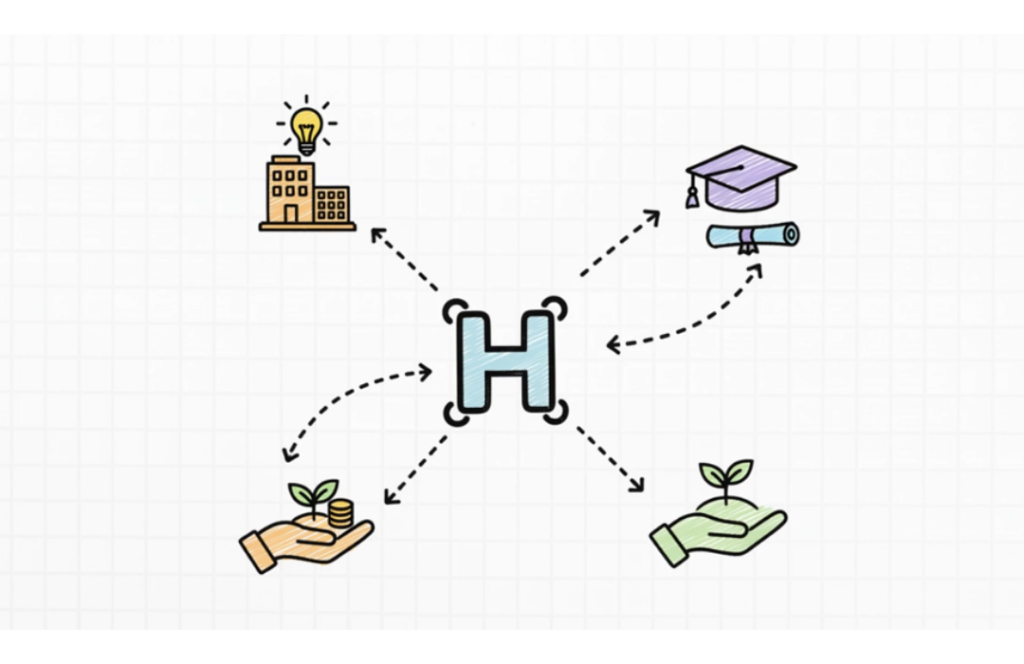
Hyderabad, in contrast, has implemented a series of large-scale projects and policies designed to mitigate the challenges of rapid urban growth. These proactive measures form the backbone of the city’s superior mobility and business environment.
- The Outer Ring Road (ORR): This 158-kilometre expressway functions as a critical arterial network, designed to decouple regional through-traffic from local, inner-city movements, thereby alleviating pressure on the urban core.
- The Metro Rail Network: By providing a high-capacity, reliable public transit alternative, the Metro directly mitigates traffic volume by reducing dependency on private vehicles and strategically connecting key residential and commercial corridors.
- Planned Commercial Hubs: The development of major business districts like Gachibowli and Madhapur was not haphazard. These areas were specifically designed to allow for efficient urban mobility and easy business access, integrating transportation planning directly into commercial zoning.
- A Supportive Governance Framework: Beyond physical infrastructure, Hyderabad’s strategy includes institutional support. Initiatives like the TS-iPASS single-window clearance system streamline business approvals, while innovation hubs like T-Hub foster a growth-oriented ecosystem. This demonstrates a holistic approach where urban planning is integrated with economic policy.
The effects of these planning decisions ripple outward, influencing everything from an employee’s well-being to a company’s bottom line.
4.0 The Ripple Effect: Impacts on People and Companies
The infrastructural differences between the two cities have profound consequences for both the individuals who call them home and the companies that operate there.
4.1 Employee Well-being vs. Employee Frustration
The daily commute is a powerful determinant of quality of life. In Bengaluru, the constant battle with traffic contributes to widespread employee frustration. In Hyderabad, however, the combination of organised development, strategic spatial planning, and the integration of green spaces fosters a much higher degree of livability. This well-managed urban environment makes it easier for residents to achieve a sustainable work-life balance, a critical factor in talent retention and overall happiness.
4.2 A Tale of Two Balance Sheets: Corporate Efficiency

These experiential differences for employees aggregate into measurable economic differentials for corporations, as illustrated in the following table:
| Factor | Advantage in Hyderabad | Challenge in Bengaluru |
| Operational Costs | Office rentals are 30–40% cheaper, significantly reducing a major business expense. | Higher running costs for essential commercial space. |
| Talent Costs | Salaries are 15–25% lower for skilled talent, allowing for more efficient hiring and longer financial runways. | Significant productivity loss is directly attributable to chronic traffic congestion. |
| Productivity | Reduced productivity loss due to efficient mobility and less stressful commutes for employees. | Significant productivity loss directly attributable to chronic traffic congestion. |
Ultimately, this comparison provides a clear lesson for urban planners and business leaders about the critical importance of aligning infrastructure with economic growth.
5.0 Conclusion: The Verdict on Urban Planning
This case study of Hyderabad and Bengaluru offers a powerful illustration of a core principle of urban studies: infrastructure is not just concrete and steel; it is the framework that shapes human experience and economic destiny.

Hyderabad’s proactive investments in a multi-modal transportation network and a supportive governance ecosystem have yielded significant advantages in livability, productivity, and cost-efficiency. This foresight has created a virtuous cycle where a better quality of life helps attract talent, and lower operational costs help businesses thrive. This illustrates the principle of ‘path dependency’ in urban development, where early strategic investments in infrastructure create compounding advantages in livability and economic competitiveness over time.
This analysis is not intended to declare one city “better” than the other, as both are vital economic engines for India. Rather, it serves as a clear and compelling lesson for students of urban planning. It demonstrates that deliberate, long-term investment in public infrastructure is one of the most critical tools a city has to build a resilient economic future and ensure the well-being of its citizens. The tale of these two commutes is, in essence, the story of planning paying dividends.